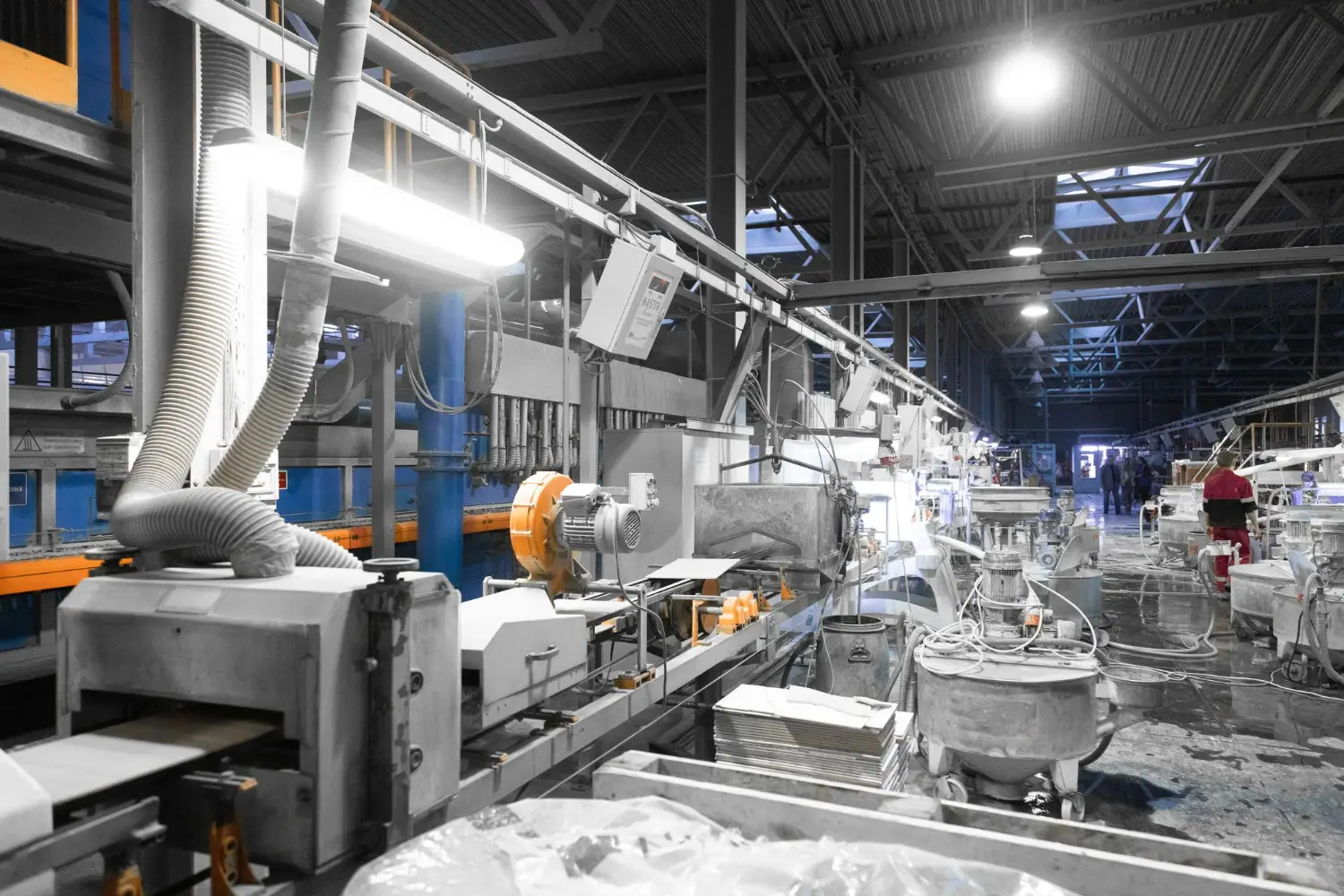
In today’s competitive industrial landscape, efficient mixing solutions are essential for maintaining product quality and operational efficiency. One of the most widely used mixing machines across industries is the ribbon blender. Known for its versatility, durability, and high mixing efficiency, a ribbon blender is a crucial investment for industries such as food processing, pharmaceuticals, chemicals, and construction.
If you are planning to purchase one, this complete buying guide on Ribbon Blender Manufacturer in India will help you understand everything—from features and types to pricing and selection criteria.
What is a Ribbon Blender?
A ribbon blender is an industrial mixing machine designed to blend powders, granules, and sometimes semi-solid materials. It consists of a U-shaped horizontal trough and a rotating agitator with inner and outer helical ribbons.
These ribbons move materials in opposite directions, ensuring uniform mixing in a short time. This design makes ribbon blenders highly efficient for both small and large batch processing.
How Does a Ribbon Blender Work?
The working principle of a ribbon blender is simple yet effective:
- The outer ribbon moves materials from the ends toward the center
- The inner ribbon moves materials from the center toward the ends
- This counter-current movement ensures thorough and uniform mixing
The result is a consistent blend with minimal mixing time, making it ideal for industrial applications.
Types of Ribbon Blenders
Before purchasing, it’s important to understand the different types available in the Indian market.
1. U-Shaped Ribbon Blender
The most common type, suitable for mixing dry powders and granules. It provides excellent mixing efficiency and easy discharge.
2. W-Shaped Ribbon Blender
Designed for specialized applications where enhanced mixing precision is required.
3. Batch Type Ribbon Blender
Used for processing fixed quantities of material in batches.
4. Continuous Ribbon Blender
Suitable for large-scale production where continuous mixing is required.
Key Features to Look for in a Ribbon Blender
When selecting a ribbon blender manufacturer in India, consider the following essential features:
1. Material of Construction
Ribbon blenders are typically made from:
- Stainless Steel (SS): Ideal for food, pharmaceutical, and hygienic applications
- Mild Steel (MS): Suitable for industrial and construction use
2. Capacity Range
Choose the capacity based on your production needs. Ribbon blenders in India are available from 50 Kg to 2000 Kg or more.
3. Mixing Efficiency
Look for machines with optimized ribbon design for faster and uniform mixing.
4. Power Consumption
Energy-efficient motors help reduce operational costs.
5. Discharge Mechanism
Options include:
- Bottom valve discharge
- Pneumatic gate
- Manual outlet
6. Automation Level
- Manual
- Semi-automatic
- Fully automatic
7. Safety Features
Ensure the machine includes safety guards, overload protection, and emergency stop functions.
Applications of Ribbon Blenders
Ribbon blenders are widely used across multiple industries:
Food Industry
Mixing spices, flour, protein powders, and food additives.
Pharmaceutical Industry
Blending powders, granules, and medicinal compounds.
Chemical Industry
Mixing chemicals, fertilizers, and pigments.
Construction Industry
Used for mixing cement, dry mortar, and other materials.
Cosmetic Industry
Blending powders and ingredients for beauty products.
Ribbon Blender Capacity Selection Guide
Choosing the right capacity is critical for efficient production.
| Capacity Range | Suitable For |
| 50 – 200 Kg | Small-scale industries |
| 200 – 500 Kg | Medium-scale production |
| 500 – 1000 Kg | Large-scale industries |
| 1000 – 2000 Kg | Bulk industrial applications |
Always select a slightly higher capacity than your current requirement to accommodate future growth.
Factors Affecting Ribbon Blender Price in India
The price of a ribbon blender depends on several factors:
Material Type
Stainless steel machines are more expensive than mild steel.
Capacity
Higher-capacity machines cost more.
Automation Level
Fully automatic machines are priced higher than manual ones.
Customization
Special features like heating jackets, vacuum systems, or PLC controls increase cost.
Brand and Manufacturer
Reputed manufacturers may charge more but offer better quality and support.
How to Choose the Right Ribbon Blender Manufacturer in India
Selecting the right manufacturer is just as important as choosing the machine.
Experience and Reputation
Look for manufacturers with proven industry experience and positive customer feedback.
Quality Standards
Ensure the manufacturer follows strict quality control and uses high-grade materials.
Customization Options
A good manufacturer should offer tailored solutions based on your requirements.
After-Sales Support
Check for installation, training, and maintenance services.
Delivery and Availability
Timely delivery is crucial for project planning.
Pricing Transparency
Choose manufacturers who offer clear and competitive pricing.
Advantages of Using Ribbon Blenders
- High mixing efficiency
- Uniform blending of materials
- Suitable for a wide range of industries
- Low maintenance requirements
- Cost-effective solution
- Easy to operate and clean
Common Mistakes to Avoid When Buying
Ignoring Capacity Needs
Buying a machine that is too small can limit production.
Choosing the Wrong Material
Using MS instead of SS in food applications can cause contamination.
Overlooking Safety Features
Safety should always be a priority.
Not Checking Manufacturer Credibility
Low-cost machines may compromise on quality.
Skipping After-Sales Support
Lack of support can lead to downtime and losses.
Maintenance Tips for Ribbon Blenders
To ensure long-term performance:
- Clean the machine after each use
- Lubricate moving parts regularly
- Inspect ribbons and shafts for wear
- Check motor and electrical components
- Follow manufacturer guidelines
Regular maintenance increases efficiency and extends machine life.
Future Trends in Ribbon Blender Technology
The Indian manufacturing sector is evolving rapidly, and ribbon blenders are becoming more advanced with:
- Automation and smart controls
- Energy-efficient designs
- Hygienic and GMP-compliant models
- Integration with production lines
Manufacturers are focusing on innovation to meet growing industrial demands.
Conclusion
Choosing the right Ribbon Blender Manufacturer in India is a critical decision that can impact your production efficiency and product quality. By understanding the types, features, capacity, and pricing factors, you can make an informed investment.
A high-quality ribbon blender not only improves mixing performance but also enhances operational efficiency and reduces costs in the long run. Always prioritize quality, reliability, and after-sales support when selecting a manufacturer.